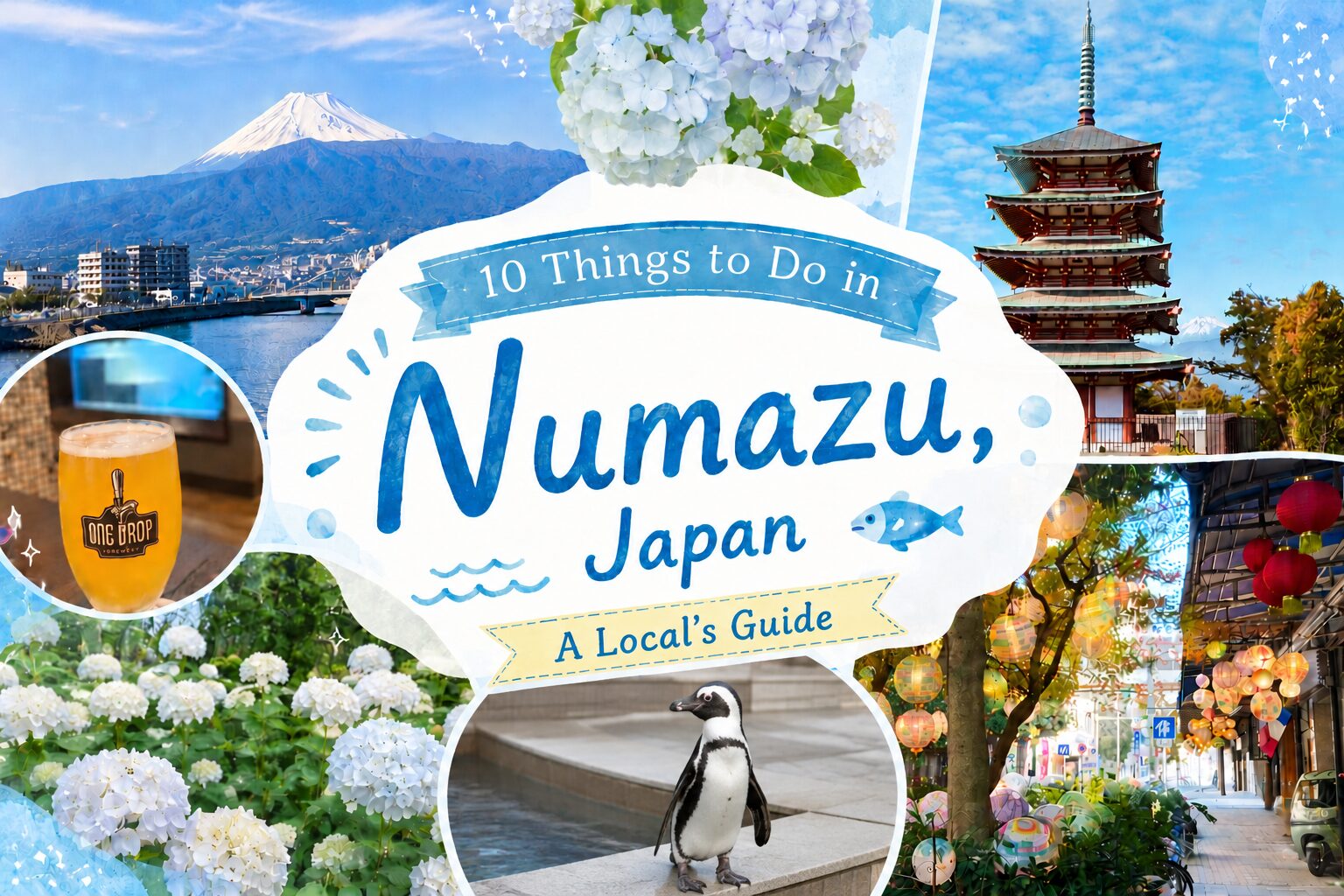
Numazu is my home town — and honestly, most travel guides skip right past it. Sitting on Suruga Bay about an hour from Tokyo by shinkansen (via Mishima), it has fresh seafood straight off the boats, Mt. Fuji views from the beach, penguins next to craft beer, and almost none of the crowds you fight in Kyoto or Kamakura. Here are 10 things I genuinely recommend to friends who visit.
- 1. Eat Fresh Seafood at Numazu Port 🐟
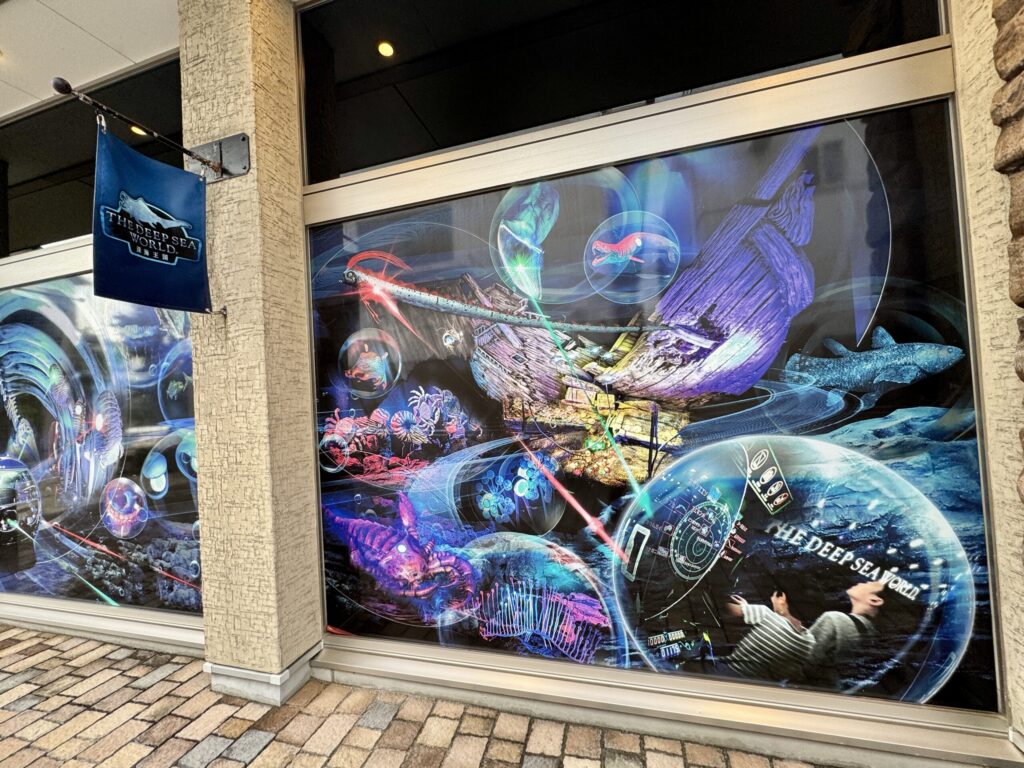
- 2. Meet a Frozen Coelacanth at the Numazu Deepsea Aquarium 🦑
- 3. Catch the Sunset from the Byuo Observation Water Gate 🌊
- 4. Walk Senbonhama Beach & the Thousand-Pine Grove 🌲
- 5. Hike (or Trail-Run) Kanuki-yama for Pagoda & Fuji Views ⛰️
- 6. Drink Craft Beer Next to Real Penguins at ONE DROP 🐧🍺
- 7. Taste Hakuin Masamune, Numazu’s Local Sake 🍶
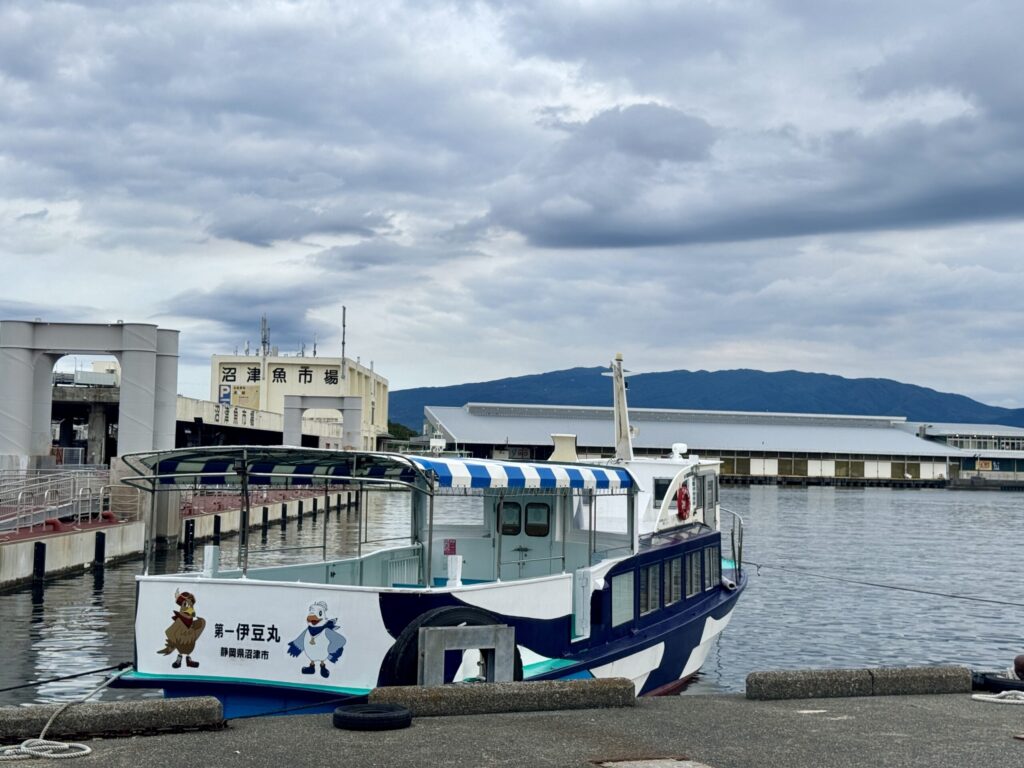
- 8. Ride the Ferry to Awashima Marine Park 🚤
- 9. Osezaki Cape: Diving, Ancient Junipers & a Sacred Pond 🤿
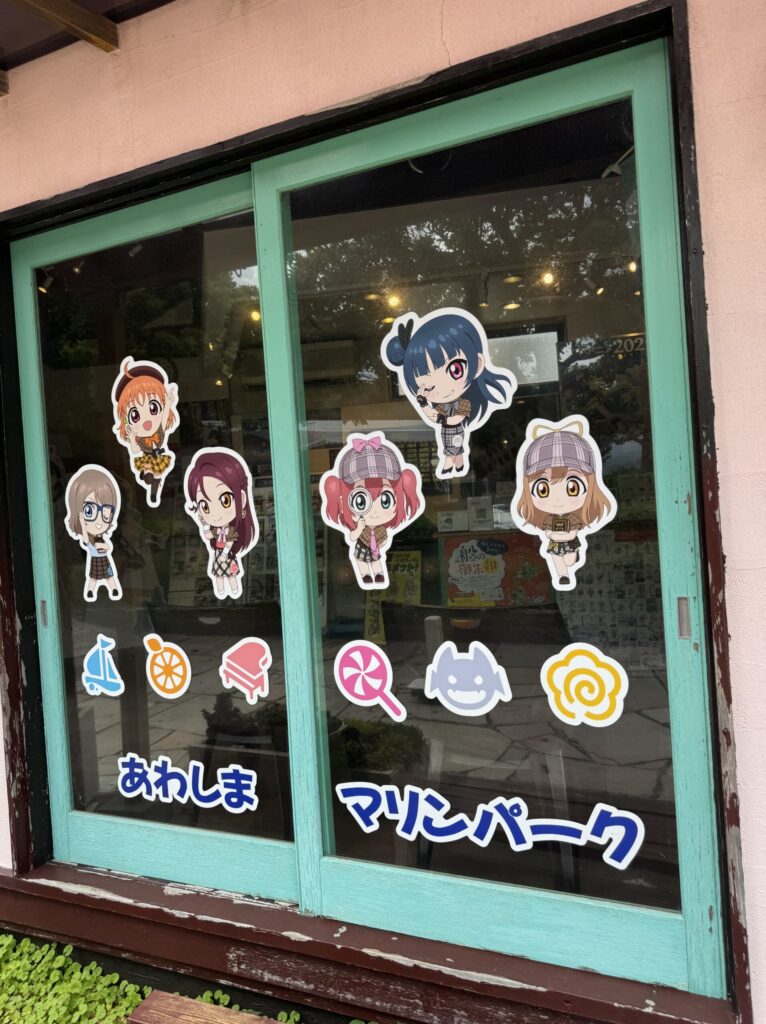
- 10. Explore the Love Live! Sunshine!! Pilgrimage Spots 🎤
- How to Get to Numazu 🚄
- Day Trips from Numazu 🗺️
- Wrap-Up ✨
1. Eat Fresh Seafood at Numazu Port 🐟
Numazu Port is one of the biggest fishing ports on Suruga Bay, lined with seafood restaurants run by local fishmongers. But here’s something the TV shows won’t tell you.
Whenever Numazu Port gets featured on national TV, it’s almost always a kaisendon (seafood rice bowl), with celebrities going “The tuna is amazing!” or “This yellowtail is so good!” — but honestly, most of that fish isn’t actually caught in Numazu.
What I really want you to try here is the genuinely local catch: katakuchi-iwashi (Japanese anchovy), aji (horse mackerel), and — depending on the season — tachiuo (cutlassfish). You can also taste deep-sea fish as a rare local delicacy. (Wakame seaweed, on the other hand, has become hard to harvest in the waters around Numazu lately, so truly local wakame is getting rare these days.)
That said — don’t get me wrong, the kaisendon is absolutely worth it! The exact same bowl in Toyosu or central Tokyo would easily cost more than double. So come hungry, keep all this in mind, and enjoy Numazu Port the way the locals do!
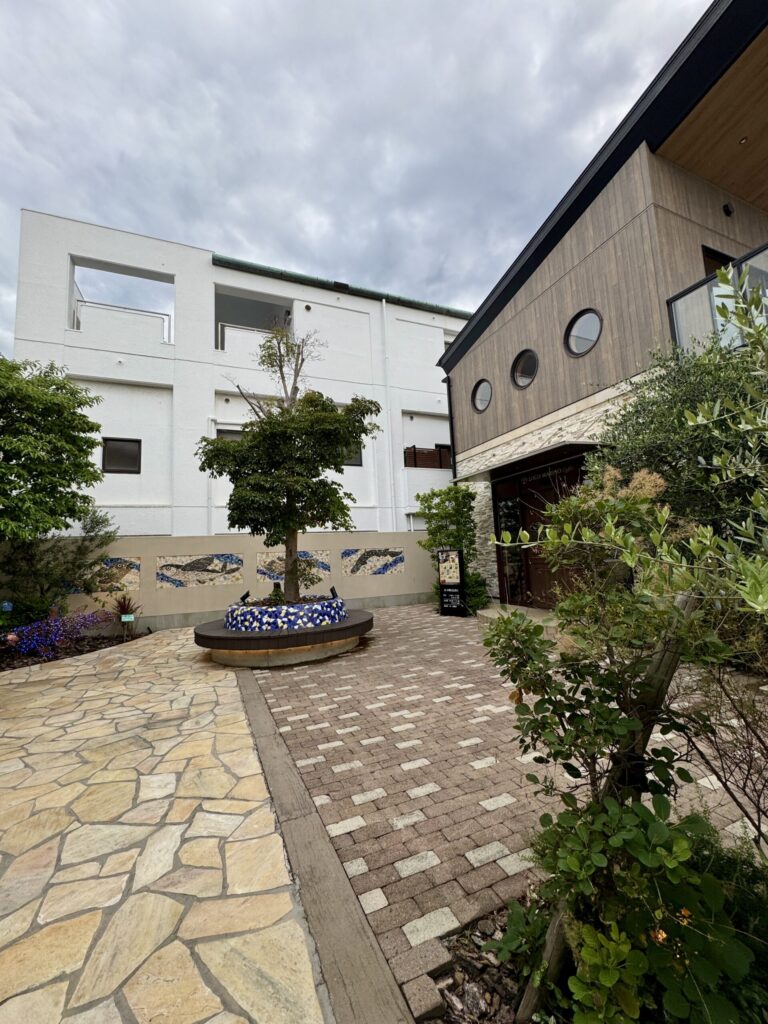
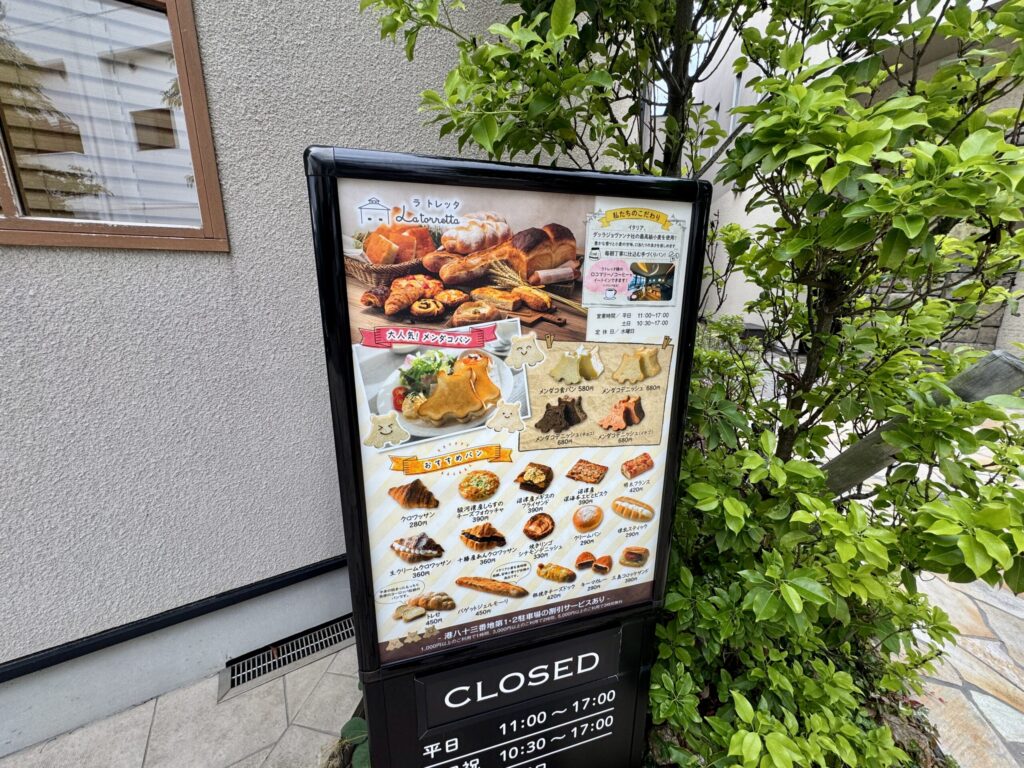
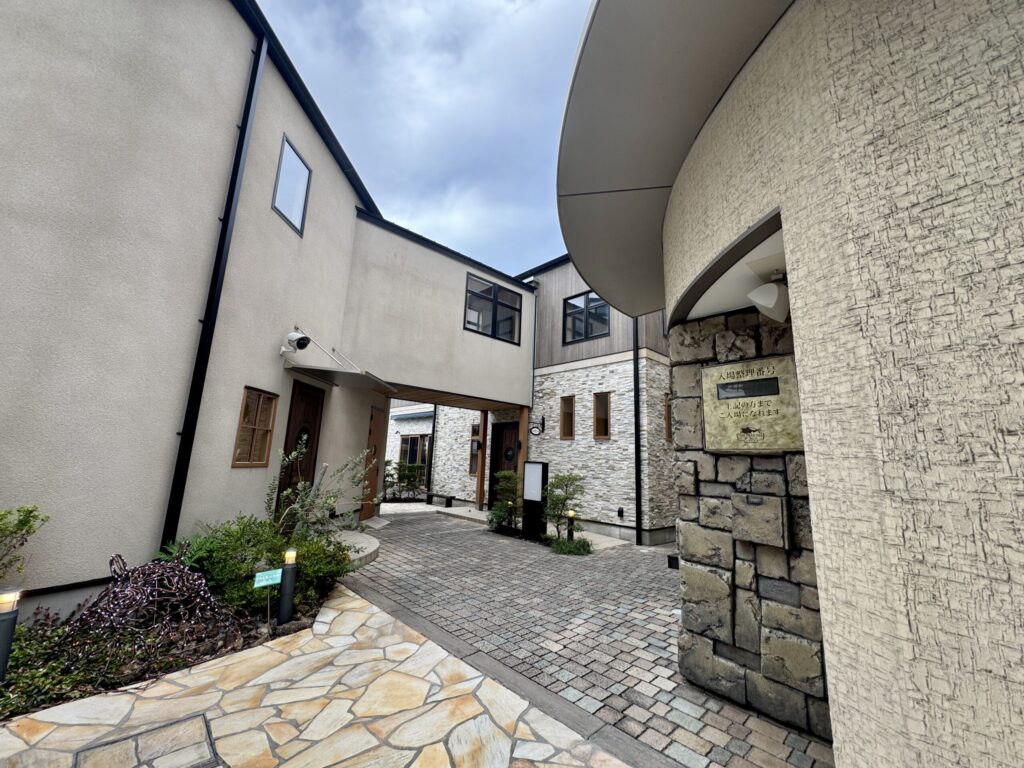
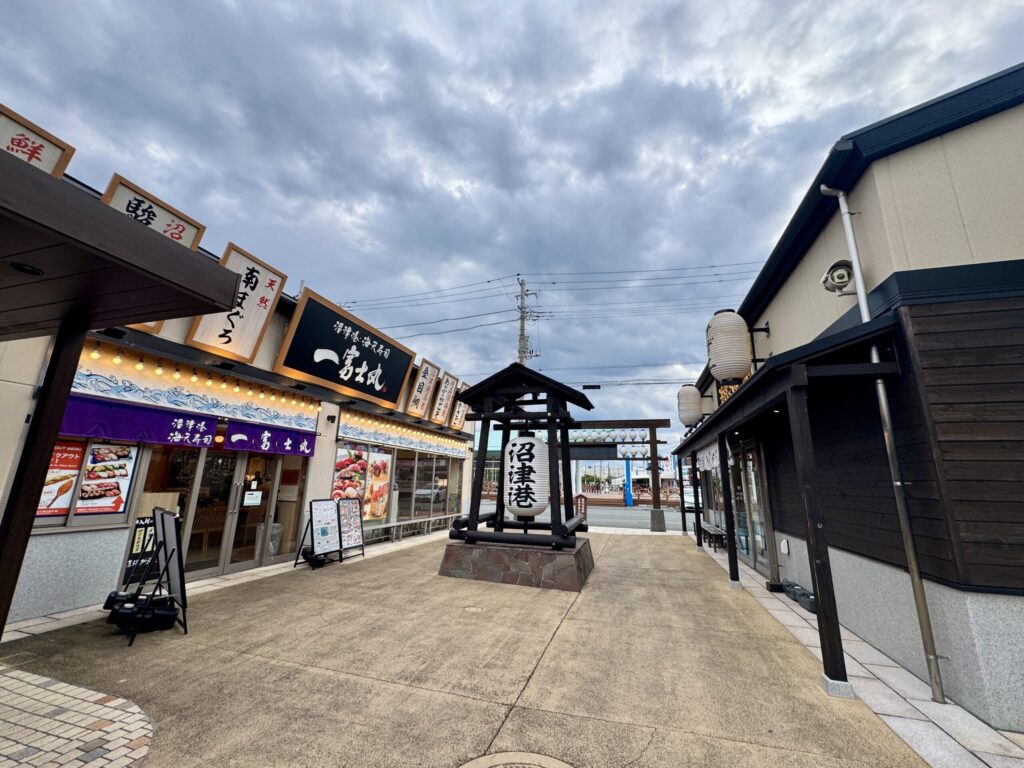

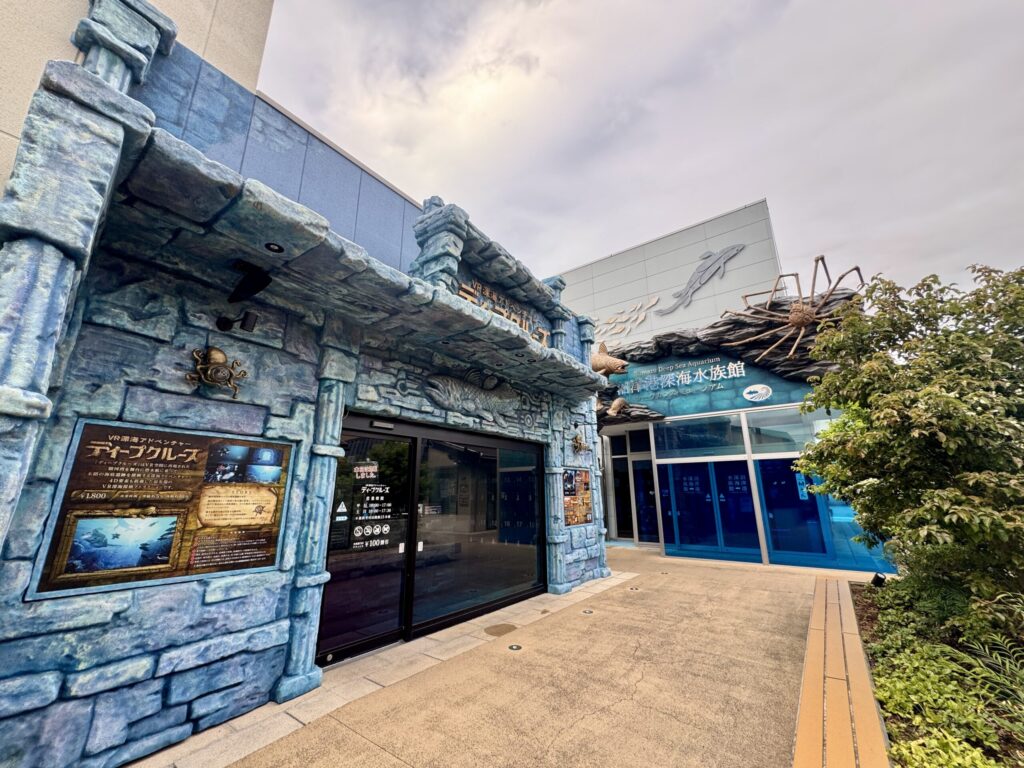
2. Meet a Frozen Coelacanth at the Numazu Deepsea Aquarium 🦑
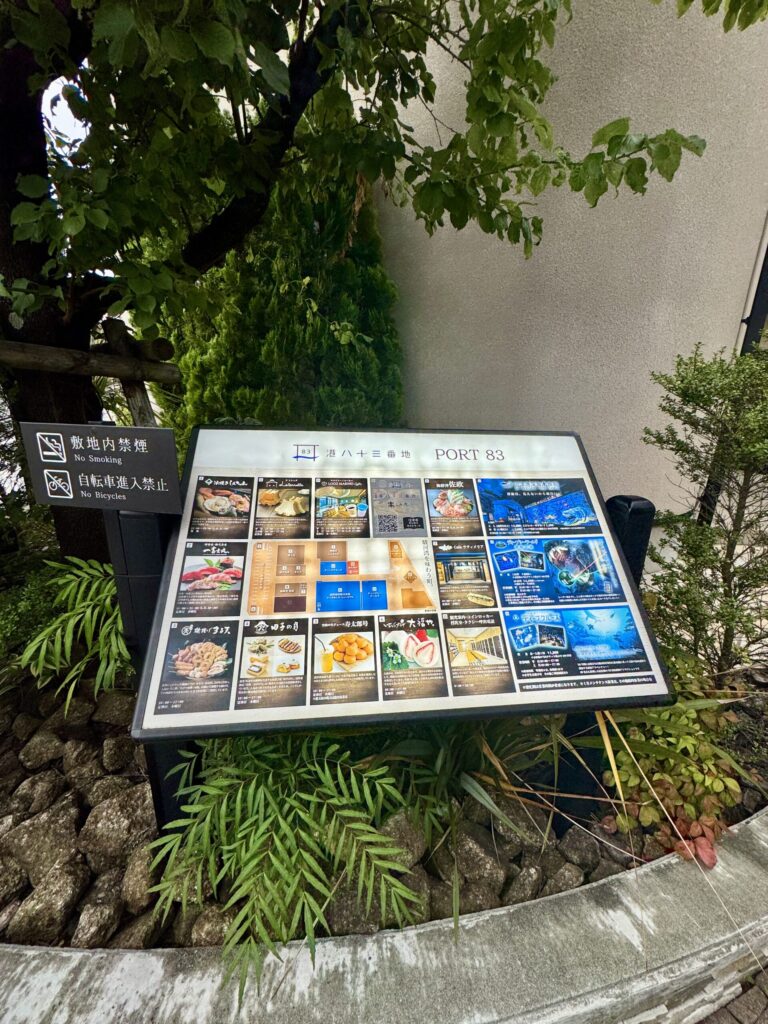
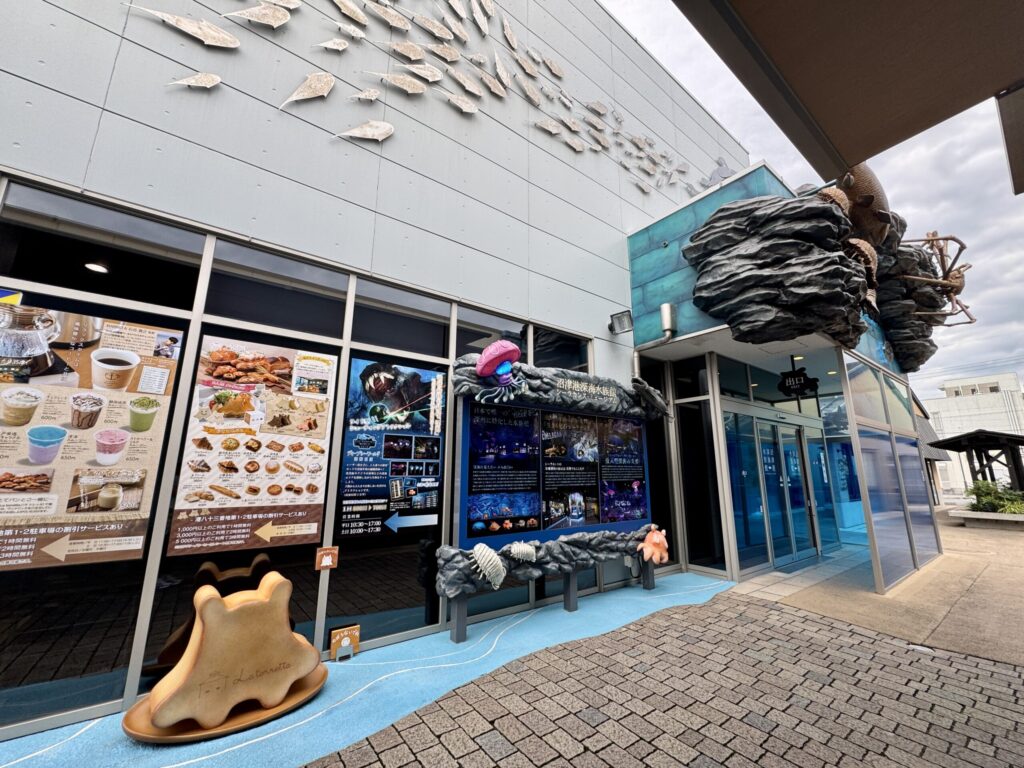
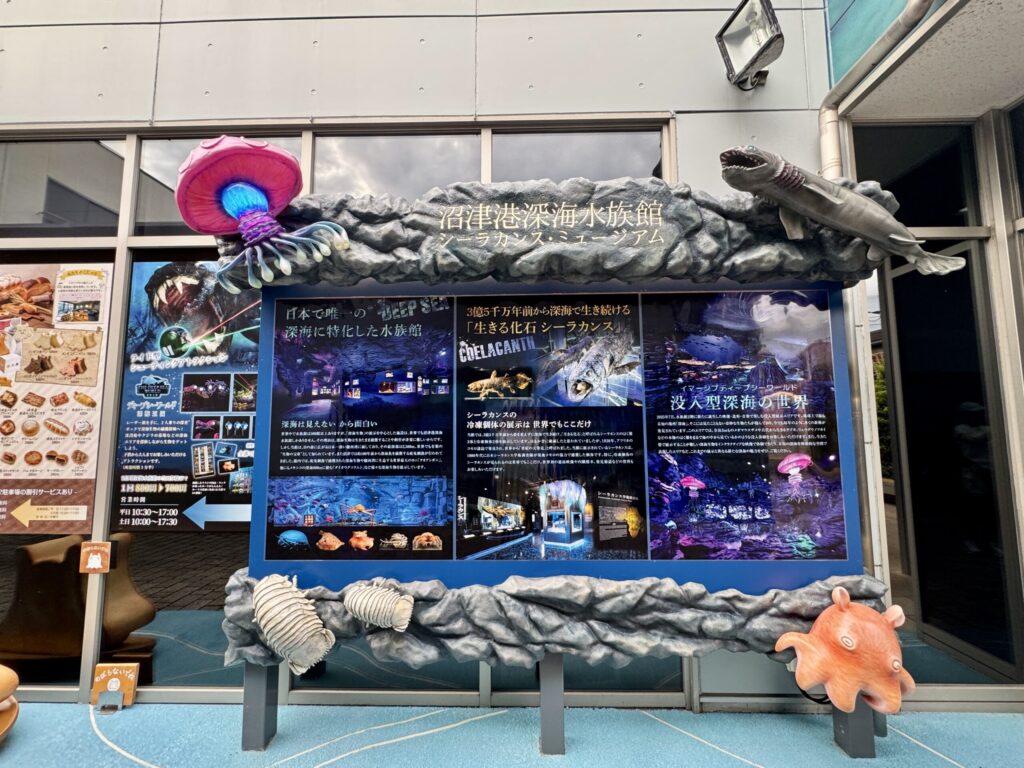
This one is my son’s favorite spot in the whole port area. Suruga Bay is the deepest bay in Japan, and the Numazu Deepsea Aquarium specializes in the mysterious creatures that live way down there. Universities and research institutes actually carry out deep-sea research in Suruga Bay, and this little aquarium is one of the rare places where you can see those discoveries up close.
It is most famous for something you literally cannot see anywhere else in the world: frozen coelacanth specimens — the legendary “living fossil” once thought to have gone extinct 66 million years ago. If you come to Numazu Port, please go see the frozen coelacanths!
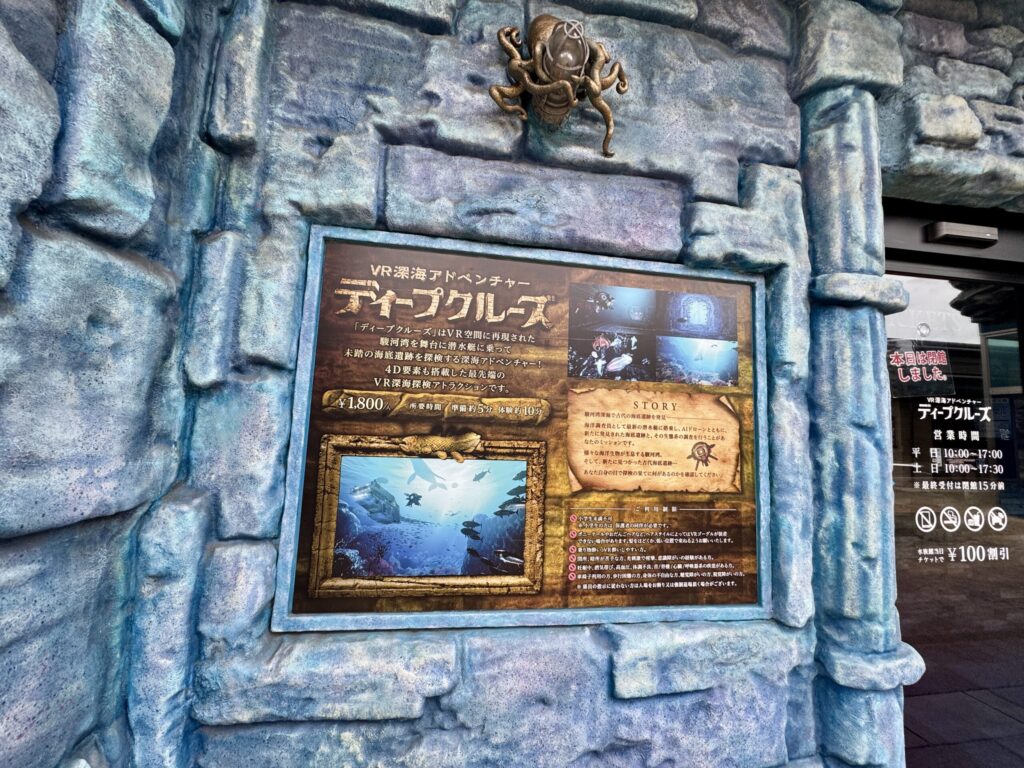
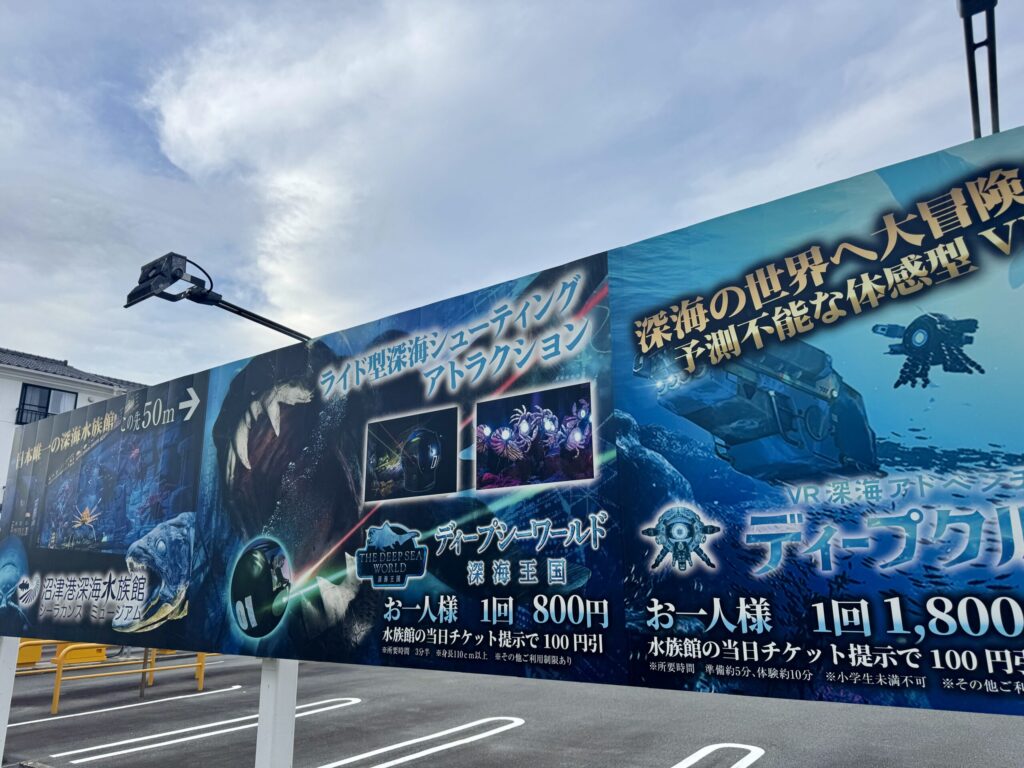
The keepers and staff are seriously knowledgeable, so even just listening to their explanations is fascinating. And right next door there is a small attraction that little kids adore (junior-high kids and up might find it a bit tame — though my son has happily ridden it several times).
3. Catch the Sunset from the Byuo Observation Water Gate 🌊
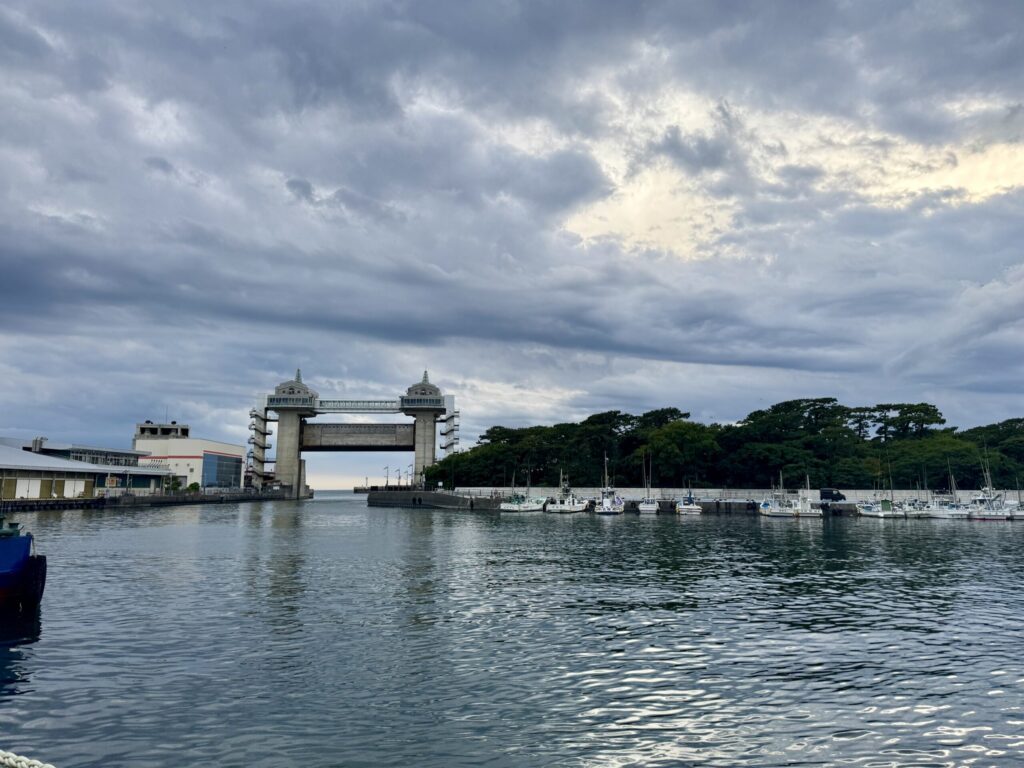
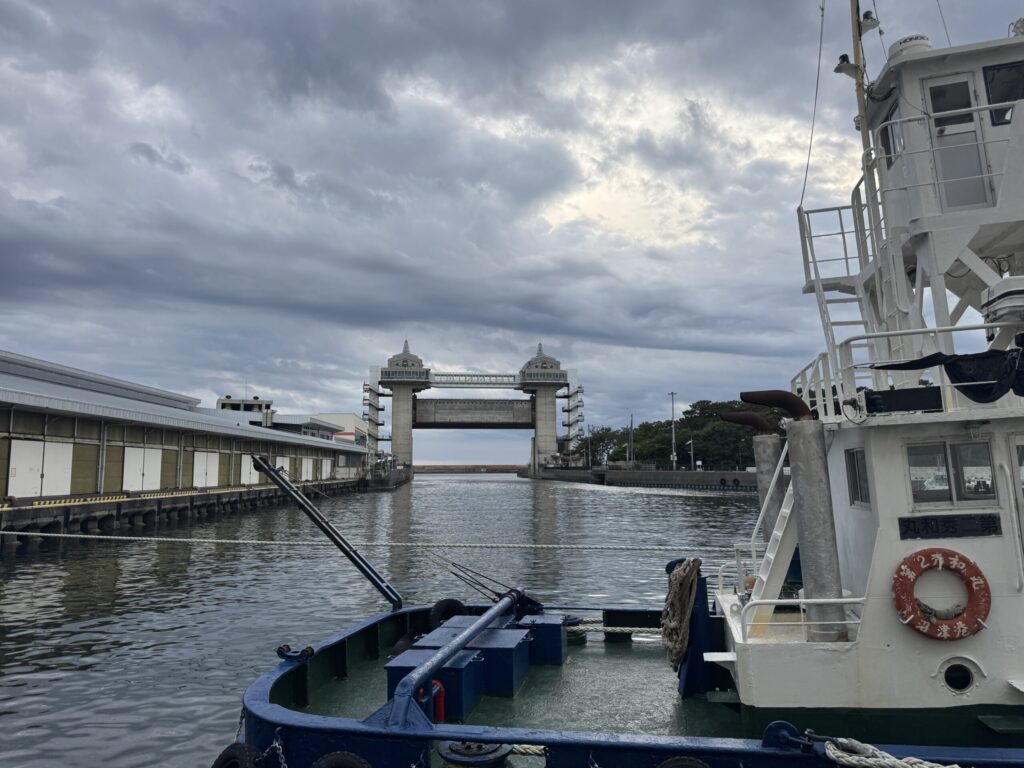
Here is a local secret: most Numazu locals never actually go up the Byuo — which is exactly why it stays quiet and uncrowded. The giant blue water gate at Numazu Port doubles as an observation deck, and from inside you get a full panoramic view of the port. The atmosphere inside is calm and relaxed, perfect if you prefer peaceful spots over busy ones. They even hold morning yoga and night yoga events up there.
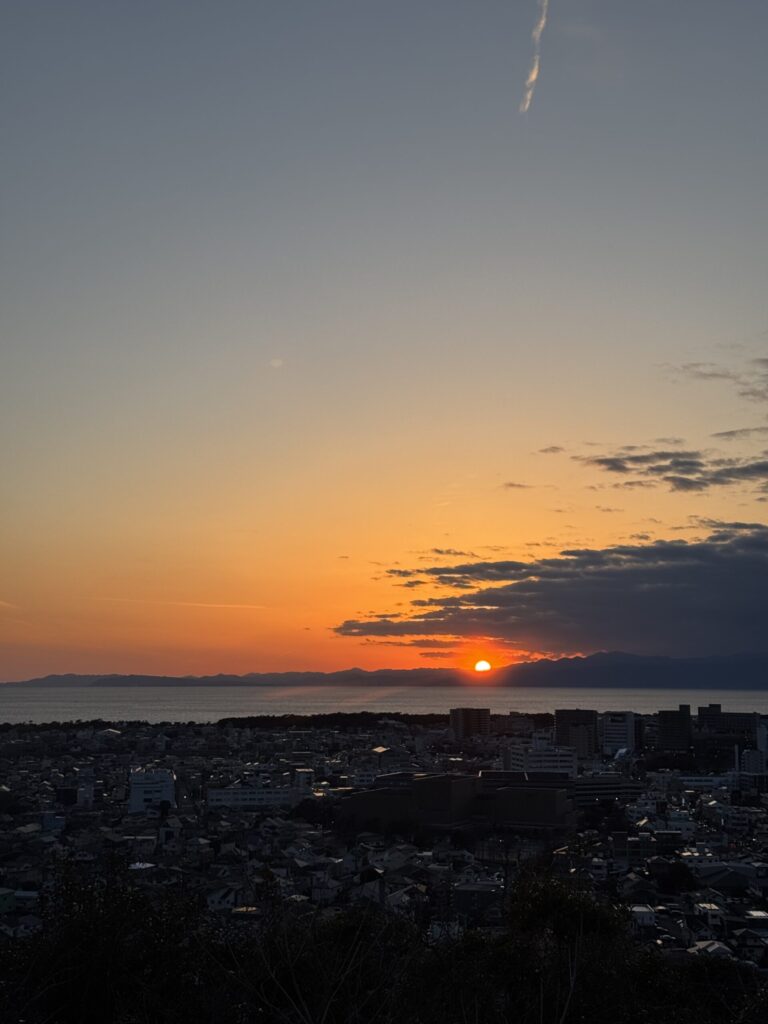
On a clear day you can see Mt. Fuji, and in my opinion the sunset view is the most beautiful time to visit. I often look down at the port and the Byuo from the mountains around the city, and to me it really is one of the symbols of Numazu.
One practical tip: there are no restrooms inside, so make sure to go before you climb up!
4. Walk Senbonhama Beach & the Thousand-Pine Grove 🌲
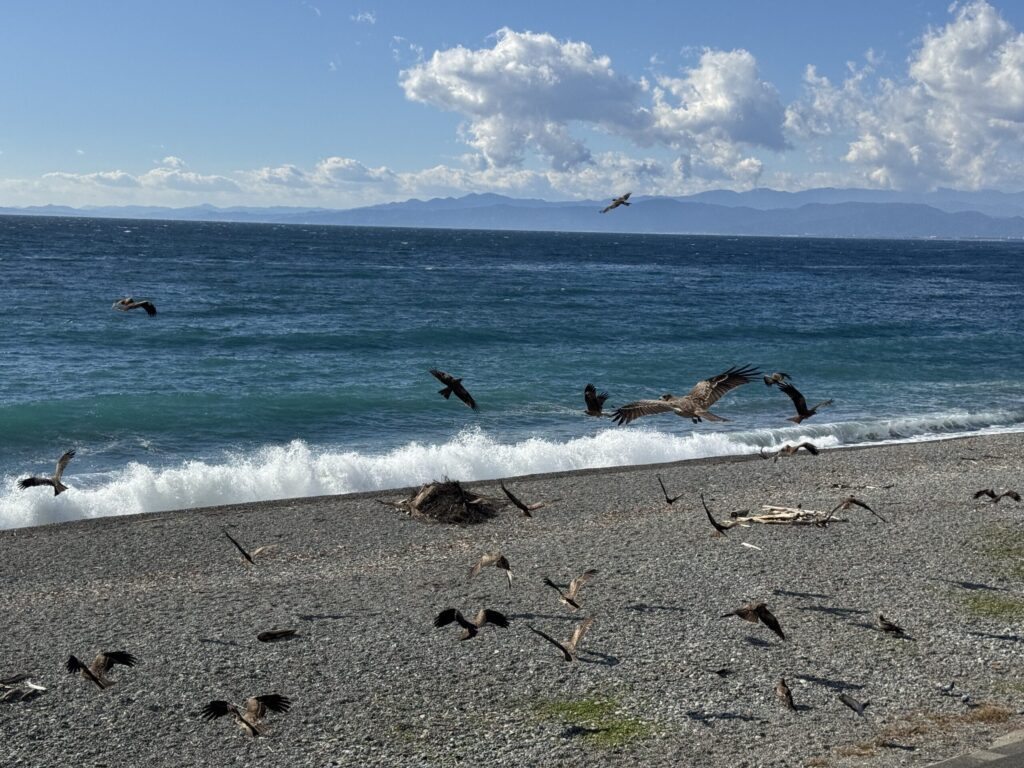
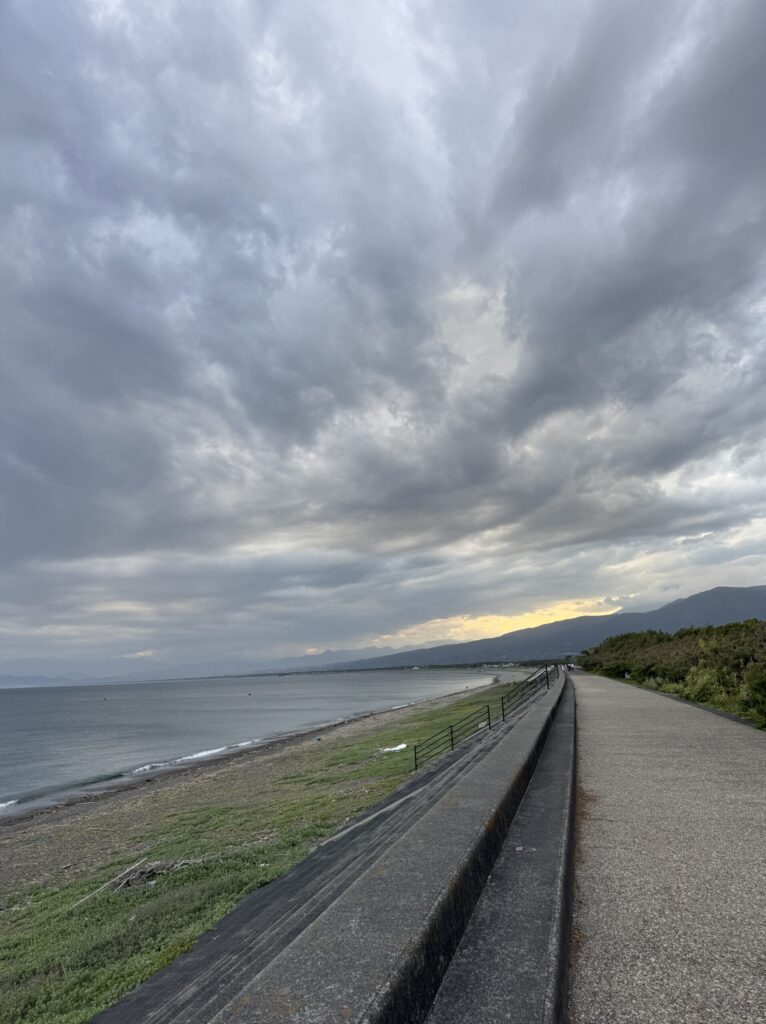
A short walk from the Byuo brings you to Senbonhama — “the beach of a thousand pines.” You get another wide-open Mt. Fuji view from the pebble shore, and the long pine grove along the coast is where locals come to run, walk and cycle every day. During the pandemic stay-home period, my family came here all the time just to move our bodies.
Right by the beach there is Lumio, an Italian restaurant in a beautifully renovated old Japanese house. You can enjoy a full Italian course while looking out over Suruga Bay, and they have private rooms, so you can relax without worrying about the people around you.
If you happen to visit around New Year, neighborhoods hold dondo-yaki on the beach — a traditional ritual where New Year decorations and daruma dolls are burned in a big bonfire. It is a rare sight if your timing matches.
One important note: the water here is impressively clear, but Suruga Bay drops off very deep very fast, so swimming is prohibited along most of this coast. Only the designated Senbonhama area opens for swimming in summer — please be careful.
5. Hike (or Trail-Run) Kanuki-yama for Pagoda & Fuji Views ⛰️
Kanuki-yama is my personal trail-running course. From home I cross the river, loop up and around the mountain, come down toward Numazu Port and circle back via Numazu Station — about 10 km in total. Sometimes I treat myself to a beer near the station afterward. That is the kind of mountain this is: close, friendly and part of everyday life.
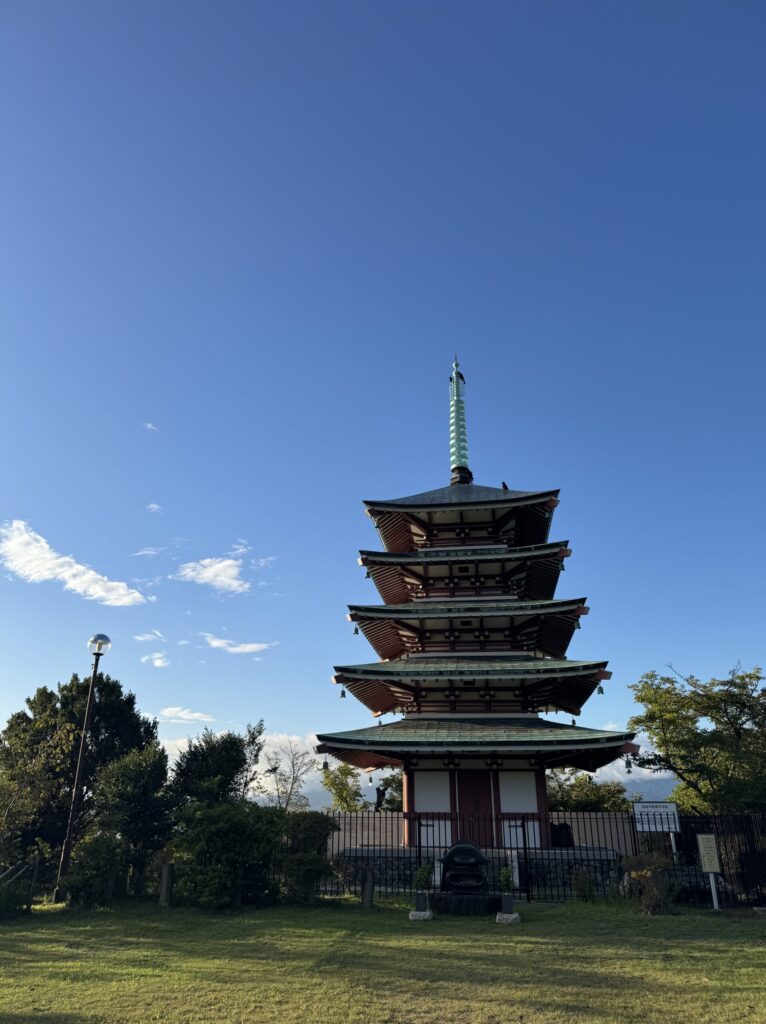
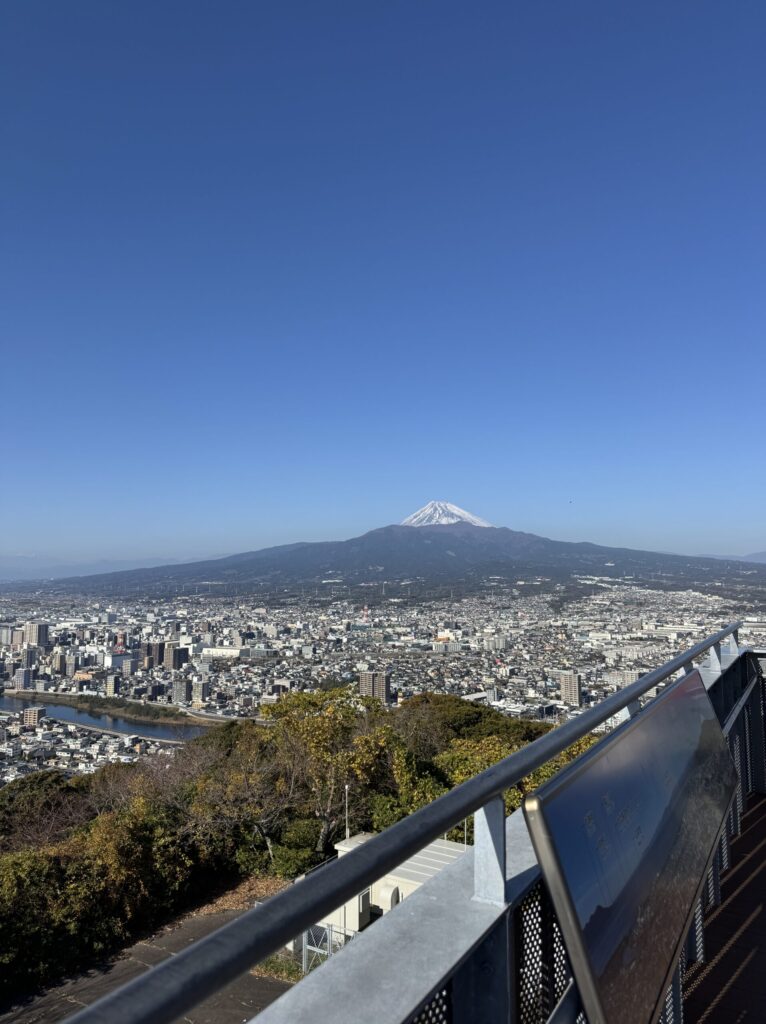
It is a popular walking course for people in the neighborhood, and one of the mountains around here where you can hike without worrying about bears (wild boars do live there, though, so keep your eyes open). Halfway up there is a five-story pagoda, and just a little above it you will find the photo spot where you can capture the pagoda and Mt. Fuji in the same frame. In cherry blossom season the view there is simply stunning.
The mountain has many different varieties of cherry trees, so the blossoms last an unusually long time — from late February all the way to mid-April. In June, there is an area planted entirely with white hydrangeas, and it looks almost dreamlike. And the observation deck at the summit is a must: a sweeping panorama from Mt. Fuji across to the Izu Peninsula, with a breeze that feels wonderful after the climb.
6. Drink Craft Beer Next to Real Penguins at ONE DROP 🐧🍺
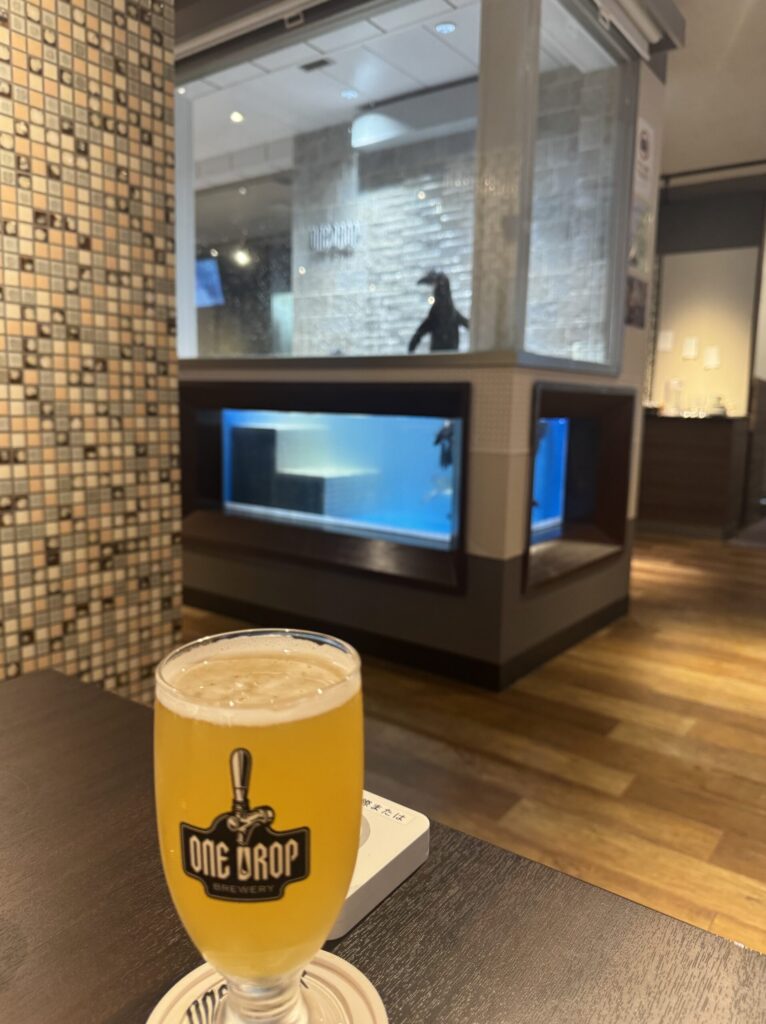
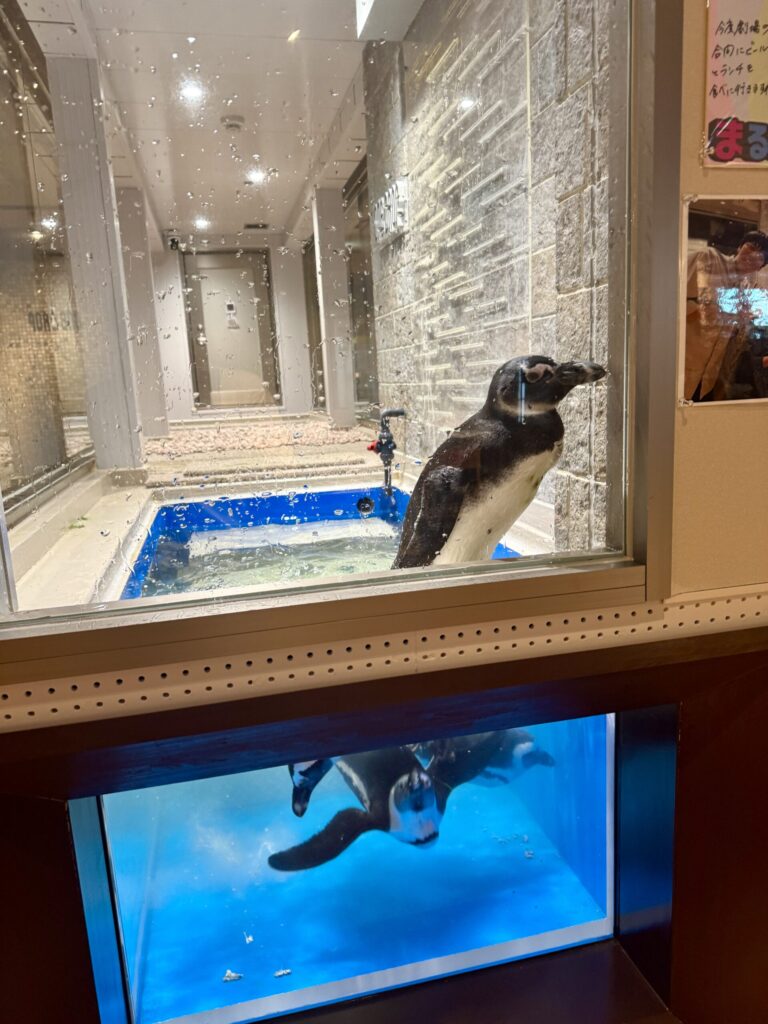
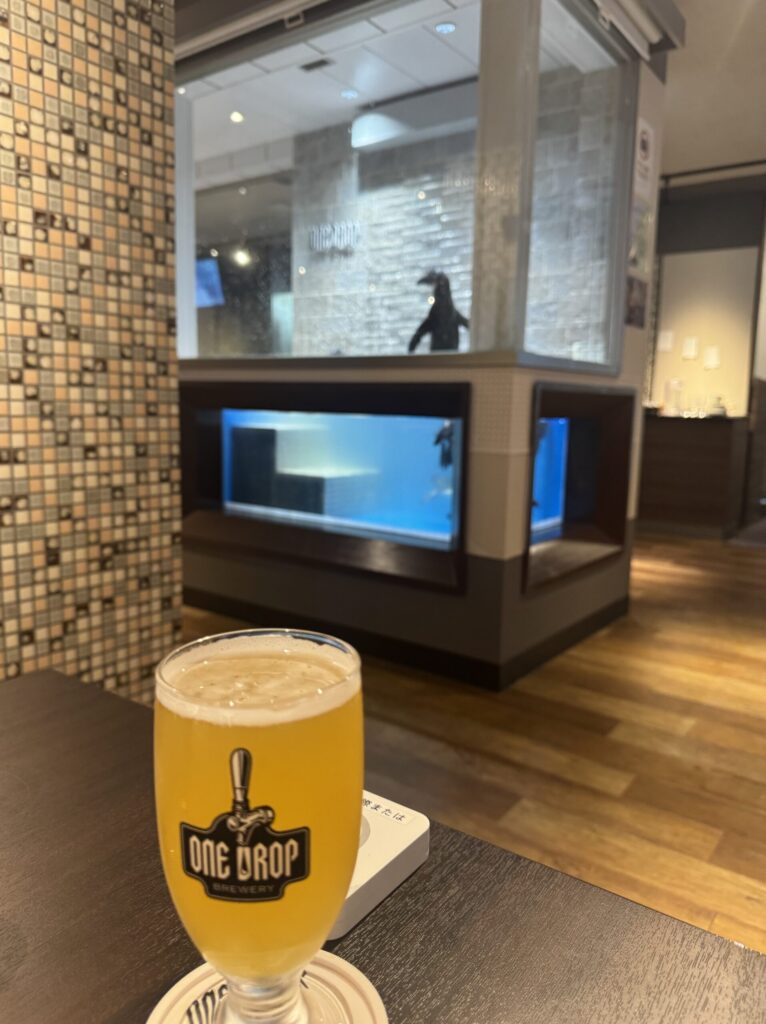
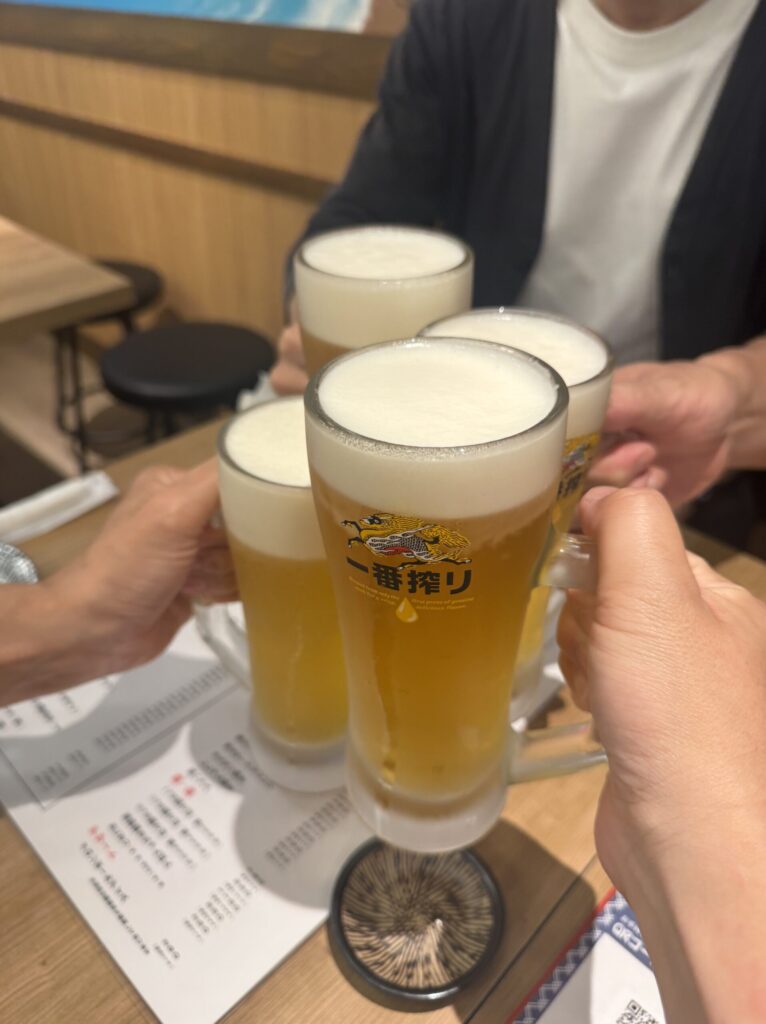
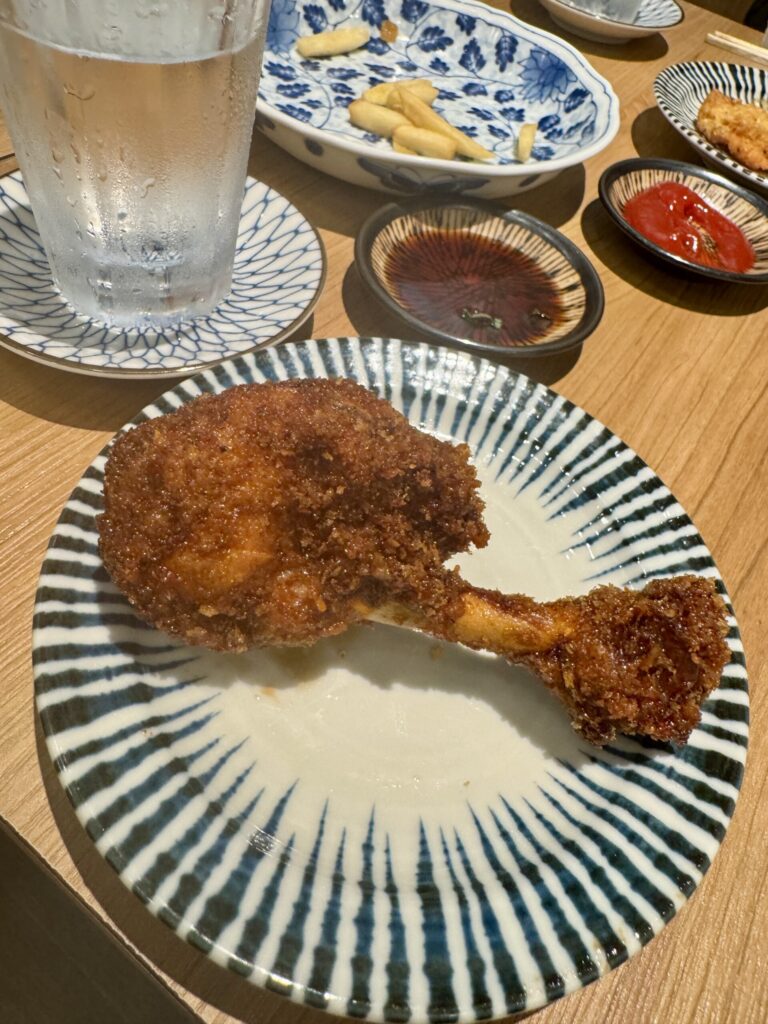
Yes, really — at ONE DROP you can sip craft beer while watching real penguins. Numazu has a handful of good craft beer spots, but this is the only one with penguins. The menu is full of one-of-a-kind items too, like fish & chips made with local deep-sea fish.
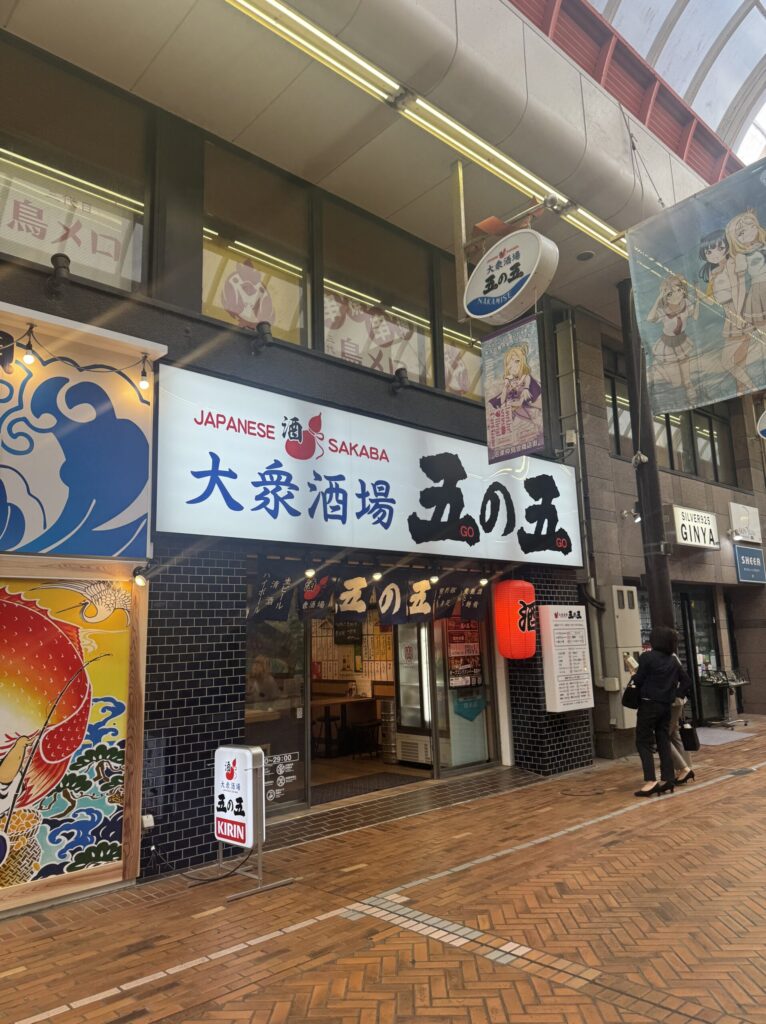
Inside, big shared tables make it easy to relax, and there is a bar counter that makes solo visits comfortable as well. Local TV shows regularly recommend it — it is a Numazu favorite, not a tourist trap. I wrote a full guide including this place here: Numazu Day Drinking Guide: Penguins, Craft Beer & Sake.
7. Taste Hakuin Masamune, Numazu’s Local Sake 🍶
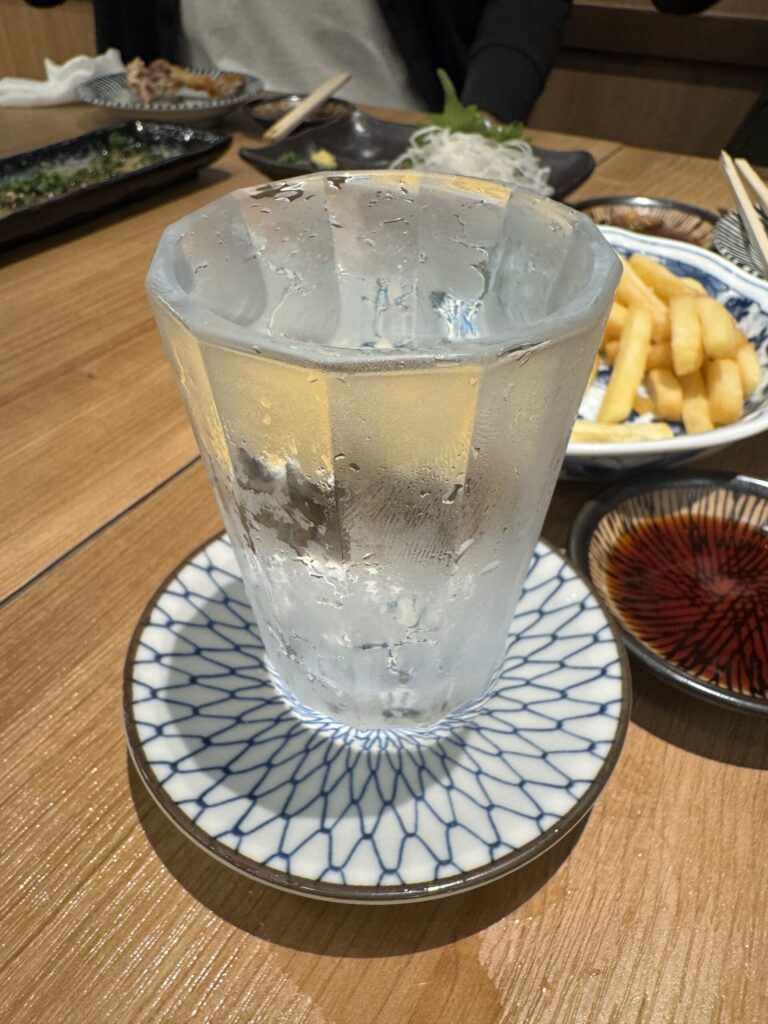
Shizuoka is home to many sake breweries, and Numazu’s pride is Hakuin Masamune, brewed by Takashima Shuzo in the Hara district. The name honors Hakuin Ekaku, a famous Zen monk of the Edo period who was born in Hara.
Brewed with underground spring water from Mt. Fuji and Shizuoka-grown sake rice, Hakuin Masamune is made to be a “sake you never get tired of” — soft on the palate, full of gentle rice umami, with a clean finish that pairs beautifully with seafood from Suruga Bay.
Insider tip: February 23 is Mt. Fuji Day, and a limited morning-pressed (asa-shibori) edition of Hakuin Masamune goes on sale. If you ever spot it, buy it and try it — it also makes a great souvenir.
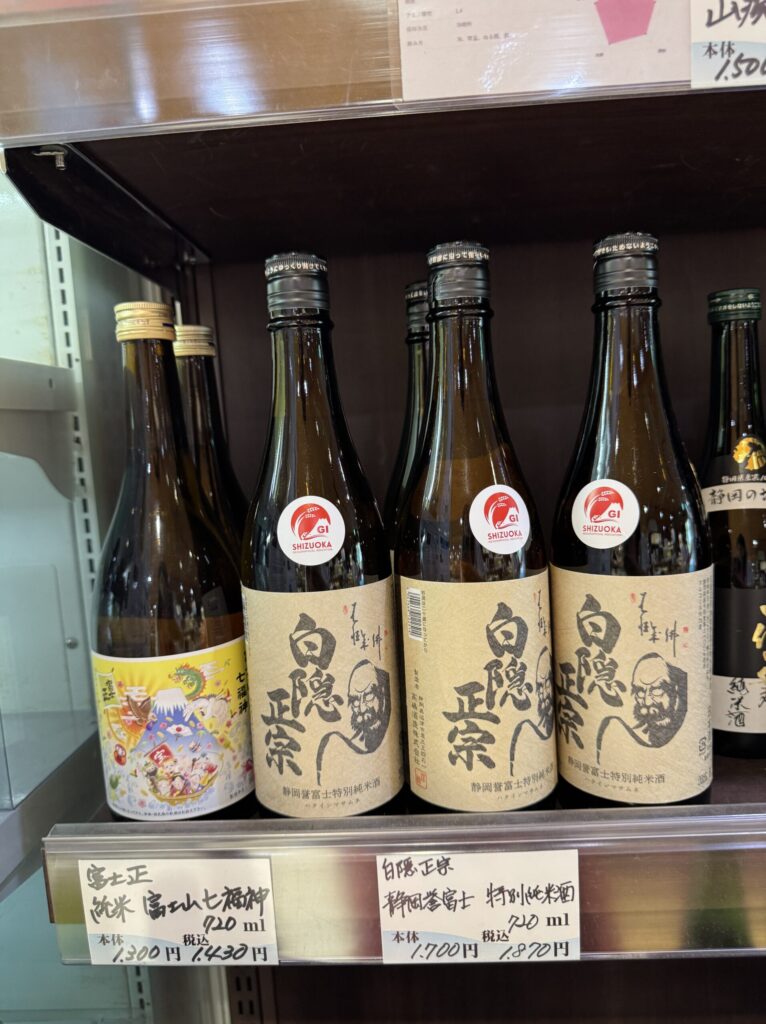
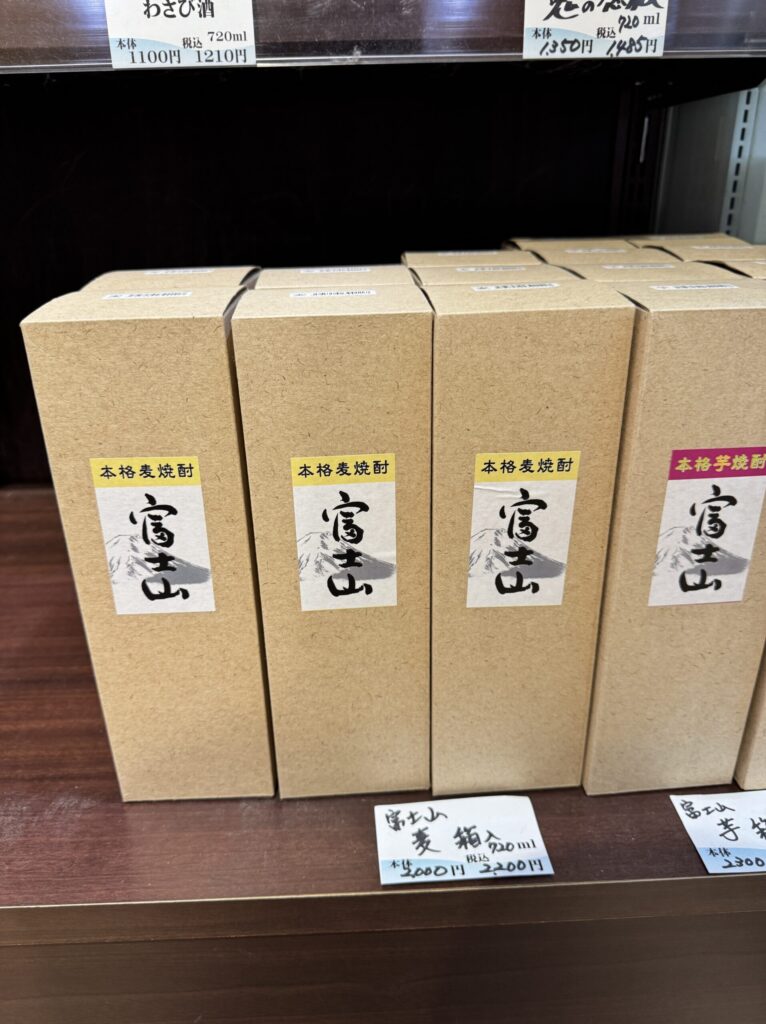
Try the Local Sake: Hakuin Masamune
No trip to Numazu is complete without a taste of Hakuin Masamune (白隠政宗), a sake brewed right here in the city. It’s named after the famous Zen master Hakuin, who was born in Numazu, and made with clean water from the Mt. Fuji springs. Dry, smooth, and crafted to be enjoyed with food, it’s a perfect match for the fresh seafood Numazu is famous for. Order a glass at a local izakaya, or take a bottle home as the ultimate Shizuoka souvenir.
👉 Can’t visit in person? You can also order 🍶Hakuin Masamune on Amazon and try this local Numazu sake at home.
8. Ride the Ferry to Awashima Marine Park 🚤
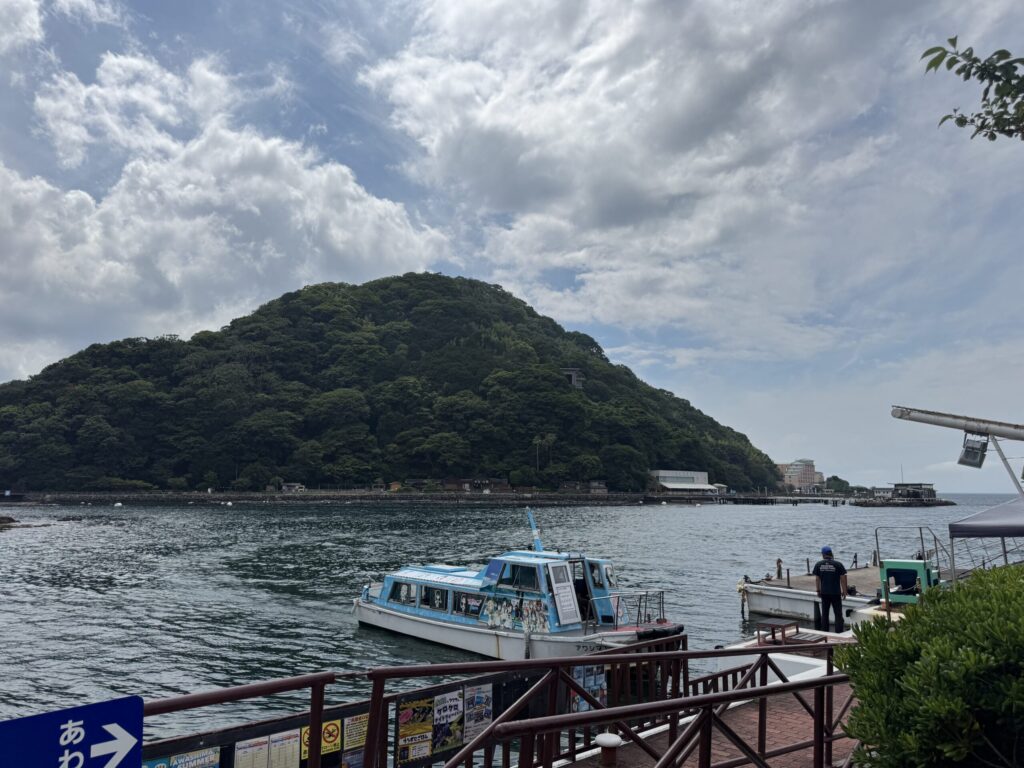
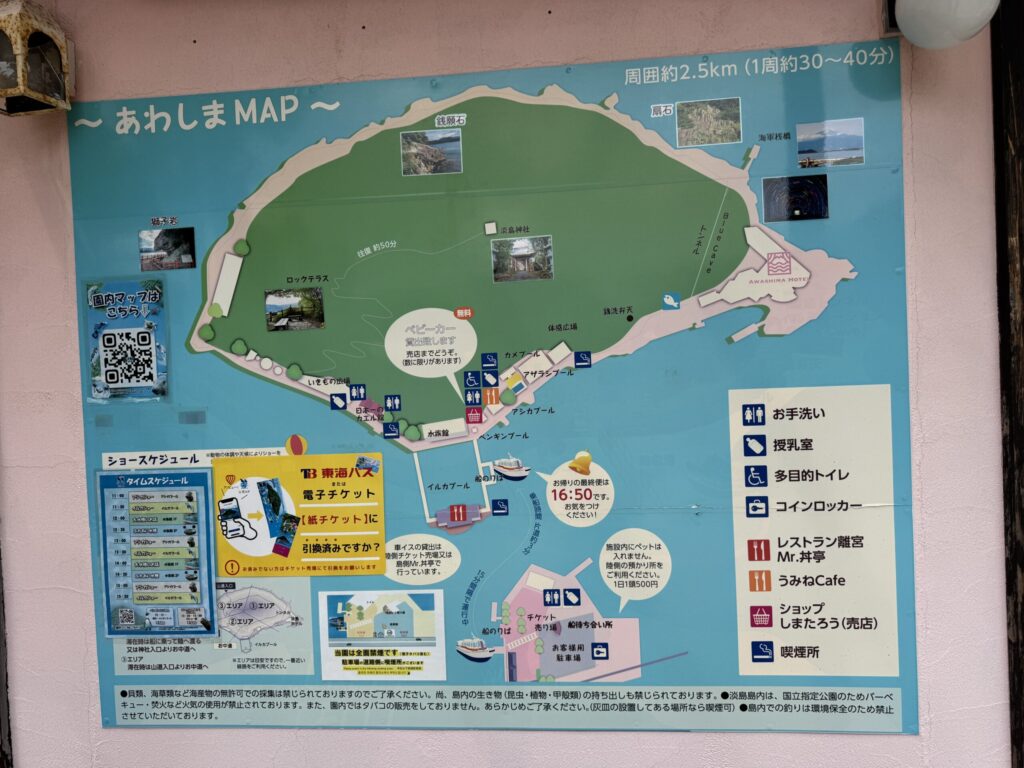
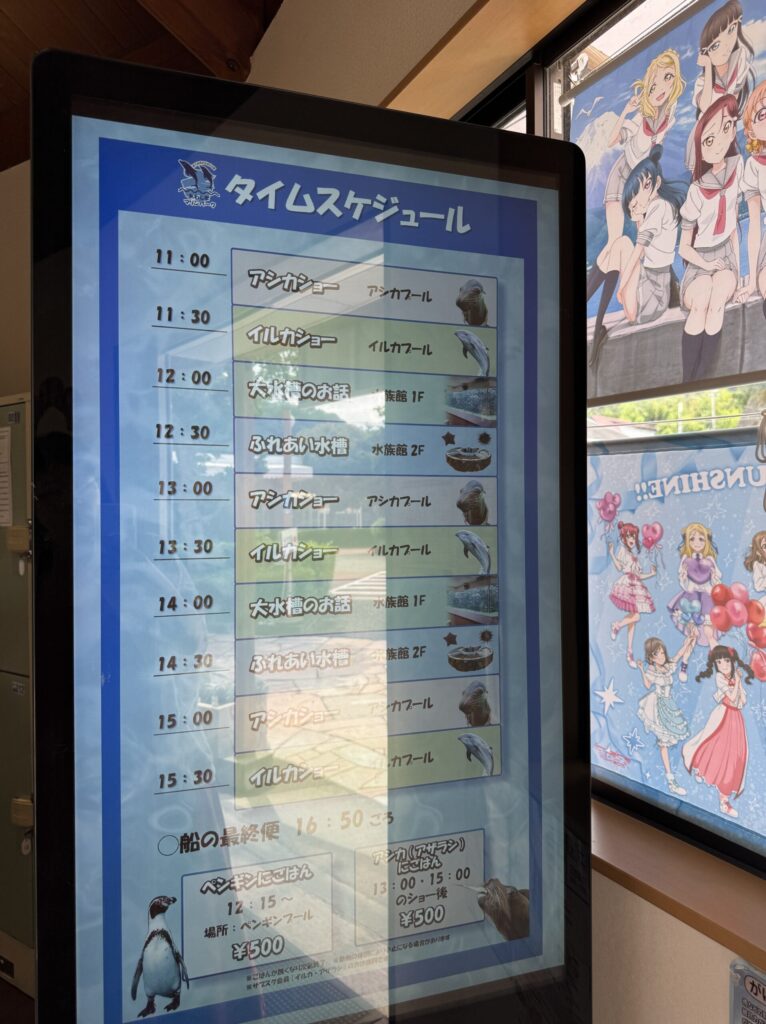
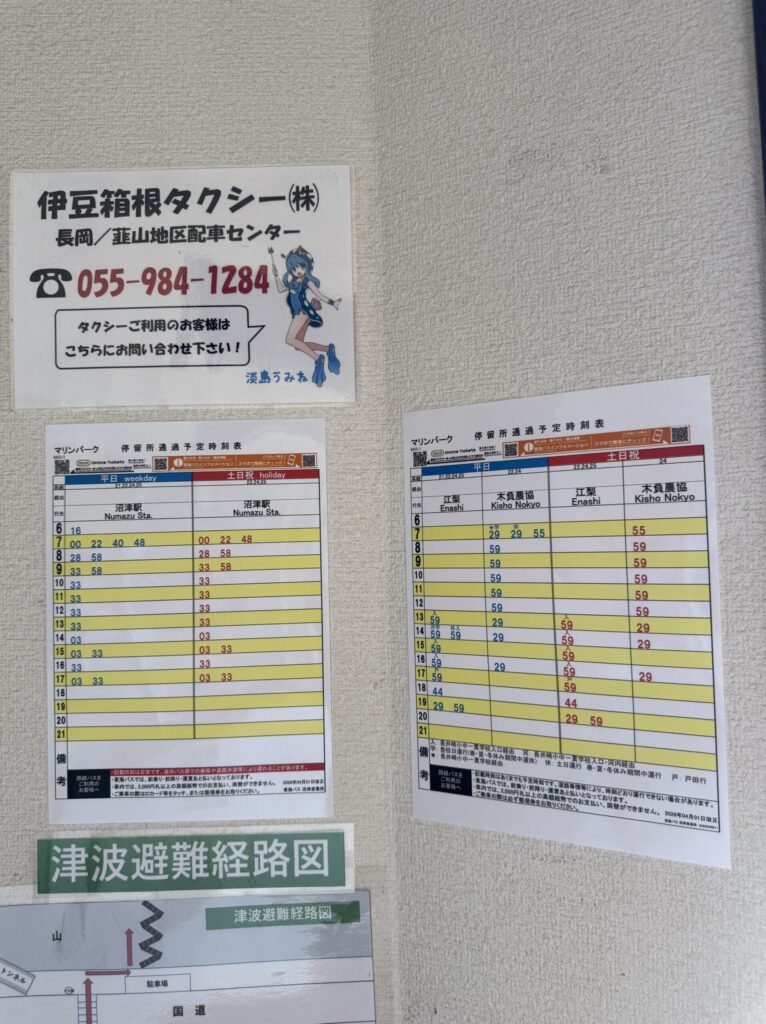
Awashima is a small island about 30 minutes by car or bus from Numazu Port, and you cross over on a dedicated ferry — the short ride itself is part of the fun. Besides the marine park, the island also has a hotel and a shrine.
This place has a story, too: it once closed down due to financial difficulties, but fans who loved it worked to bring it back, and it reopened thanks to their support. Today the park is lively with families strolling along the seaside paths, but you will also see plenty of adults just unwinding by the water.
The animal exhibits feel wonderfully close — you can even join feeding experiences. I once fed the otters, and watching them grab the food with their tiny paws was unbearably cute. The island is also a pilgrimage spot for the anime Love Live! Sunshine!!, so you may run into fans from all over the world.

9. Osezaki Cape: Diving, Ancient Junipers & a Sacred Pond 🤿
Osezaki is a scenic cape you can reach by driving along the coast toward the Izu Peninsula — or, more fun, by ferry from Numazu Port. The water here is beautifully clear, and it is one of the best-known diving spots in the area, drawing divers year-round. In summer it is also a popular swimming beach, and the view of Mt. Fuji rising over the sea makes it a favorite photo spot.
At the tip of the cape stands the Byakushin (juniper) grove, a National Natural Monument designated in 1932. This is considered the northernmost place in Japan where these junipers grow naturally, and many of the trees are over 1,000 years old. Their trunks, twisted into incredible shapes by centuries of sea wind, are one of the most powerful sights in Numazu.
And then there is the mystery: Kami-ike (the God Pond), a freshwater pond where carp swim — just steps away from the sea. Nobody fully knows why it stays fresh water. It is considered sacred, and standing there, you can feel why.
10. Explore the Love Live! Sunshine!! Pilgrimage Spots 🎤
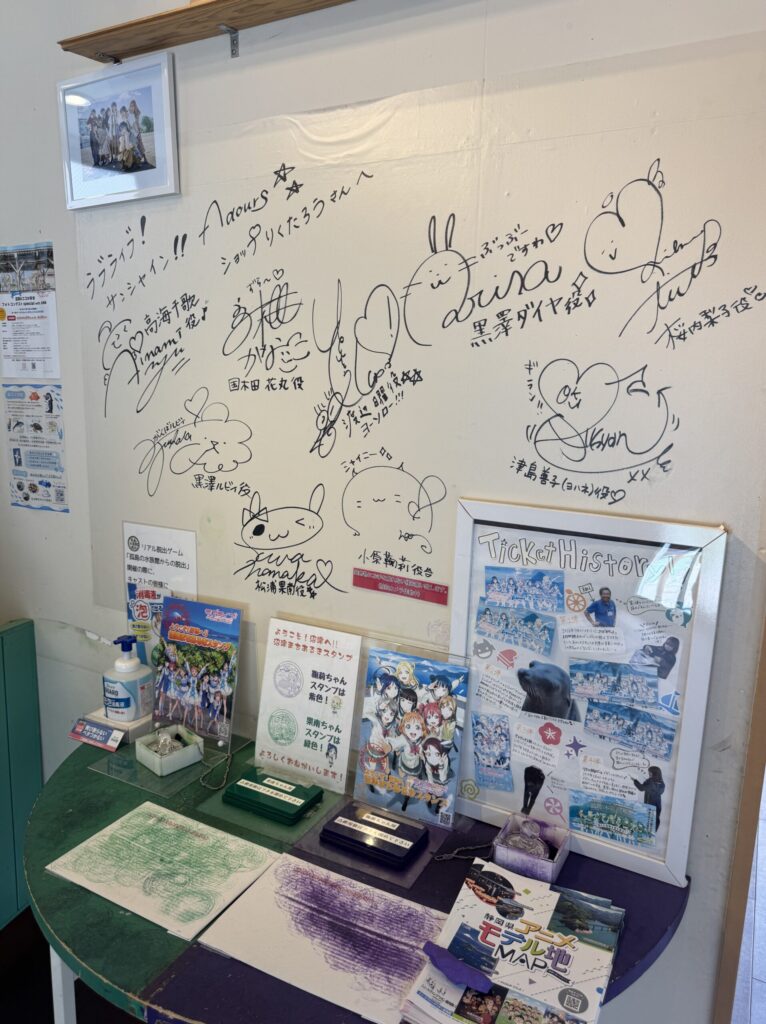
Numazu is known for fresh seafood, Mt. Fuji views and the rich marine life of Suruga Bay — but for many international visitors, the first encounter with Numazu is actually through the popular anime Love Live! Sunshine!!.
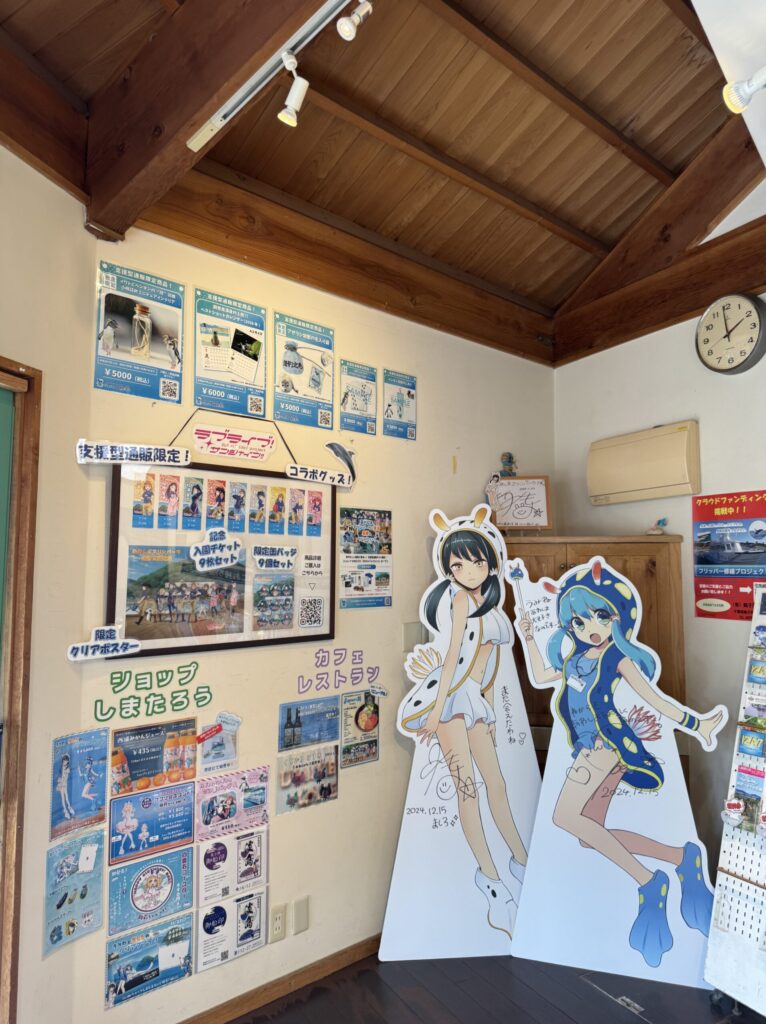
The story follows the school idol group Aqours, and a great number of real locations around Numazu — especially the Uchiura district — appear in the series. Fans from Japan and abroad come to walk the streets their favorite characters walked, enjoying their own “seichi junrei” (anime pilgrimage).
As you wander around town you will spot character decorations, collaboration signboards and local shops cheering on the series. This town-and-anime partnership has become one of Numazu’s unique charms, drawing fans from all over the world.
And even if you are not an anime fan, following the pilgrimage route naturally leads you to beautiful seaside scenery, local culture and the warmth of the people here — which, honestly, is the best part of Numazu anyway.
How to Get to Numazu 🚄
From Tokyo: take the Tokaido Shinkansen to Mishima (about 45 minutes), then the local JR Tokaido Line one stop to Numazu (about 5 minutes). Or ride the JR Tokaido Line all the way (about 2 hours) if you are on a budget. Everything in this list is reachable on foot, by local bus or a short taxi ride from Numazu Station.

Day Trips from Numazu 🗺️
Numazu also makes a great base for exploring the area. Some one-day itineraries I have written up: a hiking circuit in Atami, a quiet Mt. Fuji trip in Gotemba, and a day trip to Shimoda further down the Izu Peninsula.

Wrap-Up ✨
Numazu is not flashy, and that is exactly the point — fresh fish, Fuji views, friendly izakayas and a slow pace you cannot find on the Golden Route. If you have an extra day between Tokyo and Kyoto, hop off at Mishima and give my home town a chance. Questions? Leave a comment — I am always happy to talk about Numazu.

📢 Disclosure: This post contains affiliate links. If you book or buy something through these links, I may earn a small commission at no extra cost to you. Thank you for supporting ASARI JOURNAL!